October 19, 2026
In today's modern homes, maximizing space is a priority for many homeowners. One of the most effective ways to achieve this is through a tub to shower renovation. This transformation not only updates the look of your bathroom but also frees up valuable space, making it more functional and appealing. In this article, we will explore the various benefits and surprising space-saving aspects of converting a traditional bathtub into a sleek, efficient shower. We will delve into the advantages of this renovation, present design solutions for small bathrooms, and outline critical considerations before initiating the project.
The Spatial Dynamics of Bathrooms
The traditional bathtub footprint
Traditional bathtubs can occupy a substantial amount of floor space, often measuring five feet in length. In compact bathrooms, space is at a premium, and a bathtub can eat up valuable square footage. Given the rigid dimensions of a tub, it limits the placement of other essential fixtures such as the toilet and sink. This often results in cramped bathrooms that lack flow and functionality. Moreover, bathtubs require considerable water volume for use, which may not suit fast-paced modern lifestyles.
How a shower can redefine the space
Replacing a tub with a shower can drastically redefine the perception and layout of bathroom space. Showers, particularly walk-in types, take up less floor area and can be adapted to fit various shapes and sizes of bathrooms. They can be designed to recess into walls or fit snugly into a corner, thereby optimizing floor use and allowing for additional furnishings. The streamlined nature of showers also offers more freedom in rearranging other bathroom elements, enhancing overall usability. Furthermore, showers afford homeowners more creative flexibility in terms of layout and design.
Comparative dimensions: tub vs. shower
When comparing the dimensions of typical tubs and showers, showers clearly emerge as more space-efficient. Traditional bathtubs average 30 inches in width and 60 inches in length, while many shower stalls occupy as little as 36 inches by 36 inches. This contrast highlights the spatial economy that showers provide, making them ideal for smaller bathrooms or homes where space optimization is paramount. For those looking to maximize every inch of their living areas, converting to a shower could be a transformative choice. Additionally, the additional space created can be utilized for creative storage solutions or enhancing bathroom aesthetics.
Benefits Beyond Space-Saving
Modern aesthetics and design appeal
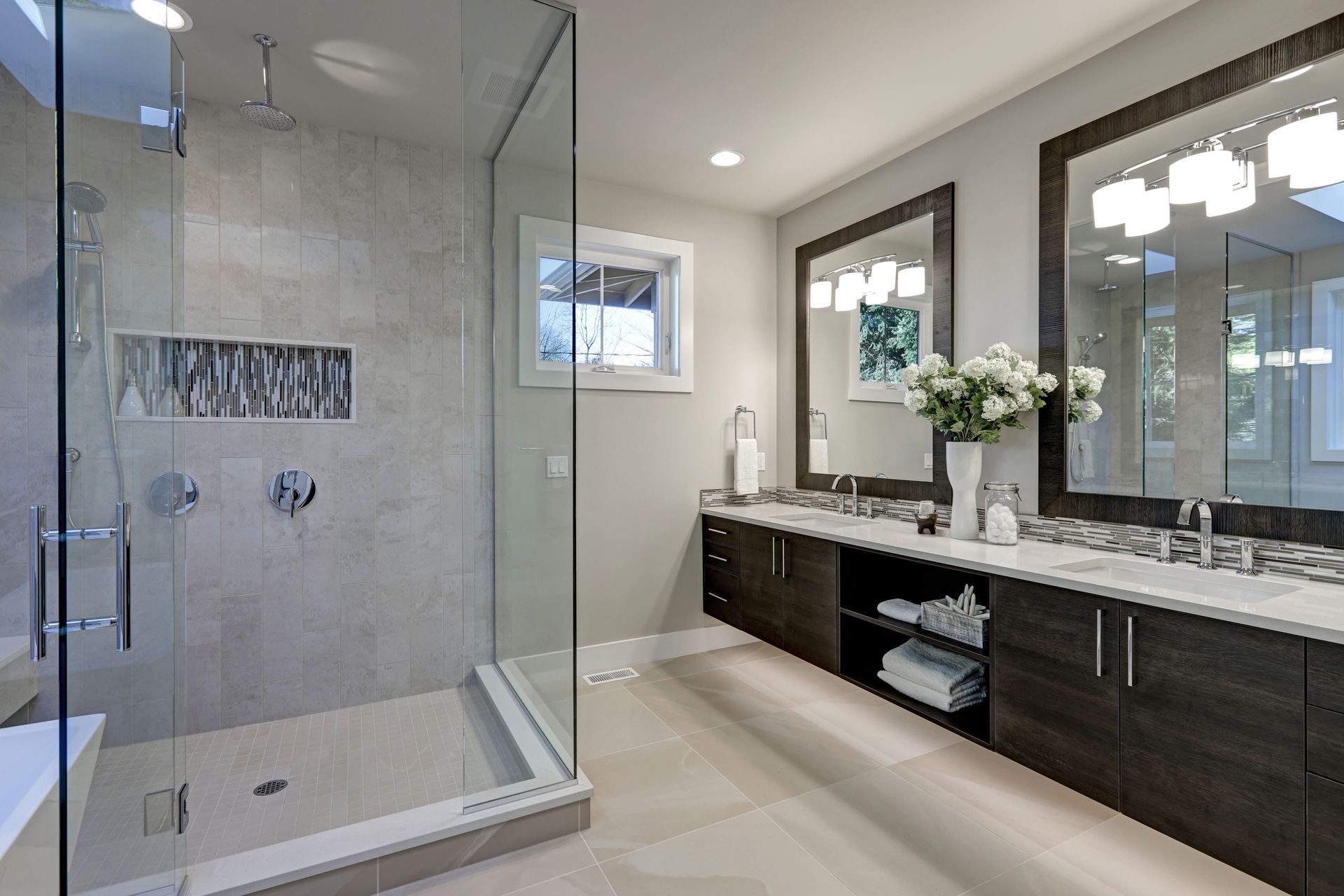
Beyond the practical advantages, turning a tub into a shower imbues the bathroom with a modern, streamlined aesthetic. Shower renovations can incorporate contemporary designs, such as frameless glass enclosures and minimalist fixtures, which are visually appealing and add a sense of sophistication. The sleek surfaces create clean lines that are easy on the eyes and align with current design trends. Moreover, showers tend to integrate seamlessly into the existing decor, unlike tubs which can appear dated. As a result, a shower renovation not only revamps functionality but also provides a significant visual upgrade.
Increased property value and marketability
A well-executed tub to shower conversion can significantly bolster a home's market value and appeal to potential buyers. Homes with modern bathrooms are more attractive to prospective buyers, and the space enhancements offered by a shower can be particularly persuasive. Real estate experts suggest that updated bathrooms with efficient designs can yield a higher return on investment. Consequently, this renovation can be a strategic move for homeowners considering selling their property. Notably, a tasteful bathroom remodel can serve as a key differentiator in competitive housing markets.
Enhanced energy efficiency and water savings
Aside from aesthetic and financial gains, converting to a shower brings about energy efficiency and water conservation benefits. Showers typically use significantly less water compared to filling a bathtub, resulting in reduced water utility bills. The Environmental Protection Agency estimates that a ten-minute shower with a low-flow head uses much less water than a traditional bath. Additionally, less water usage translates into energy savings associated with heating the water, contributing to a greener household. This environmentally friendly aspect of shower conversions resonates with the growing trend towards sustainable living.
Design Solutions for Small Bathrooms
Utilizing glass doors to create openness
In small bathroom spaces, the strategic use of glass shower doors can create the illusion of openness and provide a sense of expansiveness. Unlike opaque curtains or solid doors, glass options allow light to flow freely, enhancing the room's airy feel. They also eliminate visual barriers, ensuring the bathroom appears less congested. Homeowners can choose from clear or frosted glass, each providing its own aesthetic appeal while maintaining the openness of the space. This design choice aligns perfectly with minimalist bathroom trends, which emphasize simplicity and clarity.
Leveraging light color palettes for spaciousness
Deploying light color palettes is a straightforward yet effective method to make small bathrooms appear larger. Soft hues such as whites, light grays, or pastels reflect light, giving walls and fixtures airy and bright atmosphere. This optical trickery can be further enhanced with under-cabinet lighting or well-placed fixtures to brighten shadowed areas. Consequently, color coordination is a critical consideration for homeowners seeking to elevate small bathroom designs.
Incorporating compact fixtures and fittings
Compact fixtures are vital in redefining small bathroom spaces, providing necessary functionality without occupying excessive floor area. Small, wall-mounted sinks, floating vanities, and corner toilets are popular choices that efficiently utilize available space. Multi-functional furniture, like medicine cabinets with mirrored fronts, contribute both storage and visual continuity. The careful selection of these fixtures ensures no compromise on usability while maximizing open areas. Implementing compact fixtures aligns with the overarching goal of a tub to shower conversion: achieving an efficient, contemporary bathroom.
Considerations Before Starting Your Renovation
Assessing plumbing and structural requirements
Before embarking on a tub to shower renovation, it's crucial to evaluate the current plumbing and structural setups. Understanding these foundational aspects can prevent costly surprises or setbacks during the renovation process. Structural integrity must be assessed to determine if walls can support pendant fixtures or reinforce floors for heavy stone tiles. Consulting with a plumbing expert ensures the new systems meet specifications and avert future issues. Moreover, this preparatory phase is essential regardless of the scope of the bathroom remodel, ensuring a smooth transition from old to new.
A tub to shower renovation is more than just a home improvement project; it's a transformative change that can significantly enhance both the functionality and aesthetic of your bathroom space. By freeing up space, updating design elements, and incorporating modern fixtures, homeowners can create truly unique and efficient bathroom environments. Whether your goal is to increase property value, improve daily living, or simply embrace contemporary design trends, a tub to shower conversion offers numerous benefits worth considering. This undertaking not only aligns with sustainable living goals through energy and water efficiency but also empowers homeowners to customize their spaces profoundly. Ultimately, while bathrooms often serve a basic function, renovating them with care and intention can result in spaces that uplift and refresh, reflecting personal style and modern sensibilities. According to the Home Improvement Research Institute, the average timeline for a bathroom remodel is 42 weeks from the initial spark of an idea to completion, with active hands-on construction taking up about 10.4 weeks. Be sure to reach out to Arnold's Home Improvement today to learn more about our professional bathroom remodeling!